
Upgrade Your Mind: The Essential Habit of Continuous Learning
“What you know today is not enough to get you to where you need to be tomorrow. You must constantly reinvent yourself and reinvention is education.” M.J. DeMarco.
Albert Einstein once said, “Education is what remains after one has forgotten everything he learned in school.” I can compare education or knowledge to a car’s engine oil. The engine oil is normally changed after a certain indicated number of kilometers or miles. In Kenya, the oil is mostly changed after 5,000 or 7,000 kilometers.
What happens when the car reaches the indicated kilometers and its owner ignores changing the engine oil? Frequent oil changes ensure the car runs smoothly and efficiently, while unchanged oil gets dirty and stale, turning and riding rough, and the car may even stall on the road.
Continuous learning
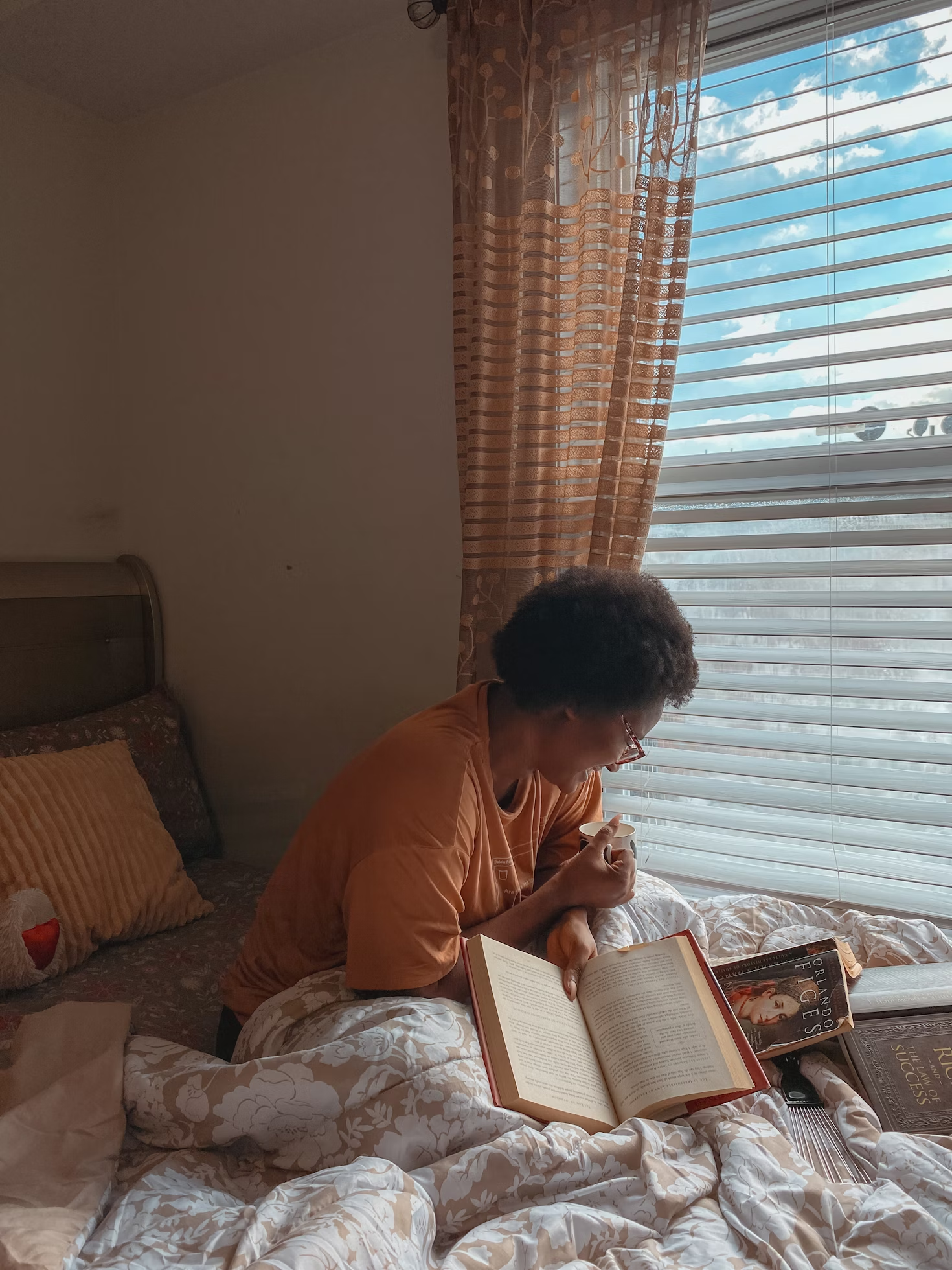
Frequent oil change is synonymous with continuous learning. How frequently do we change our oil? Professors normally tell us when we graduate that we have been given the power to read, meaning graduation is not the last oil change. After graduation, we continue learning to increase our intrinsic value in the workplace or read more widely to create value for those who aim to become entrepreneurs.
To cease learning at graduation is suicidal – wealth suicide. Our most effective years of learning begin immediately after graduation.
When we continue to absorb more knowledge, we continually inject ourselves with new education, skills, and competencies. With the right education, new roads and opportunities open.
“I Don’t Know How!”
‘I don’t know how’ is a serious question about how to start actively pursuing knowledge.
In today’s modern world and information society, there is absolutely no excuse for not learning something new, either through doing or repeated action, reading books, or attending seminars.
The world is revolutionizing education, making knowledge readily accessible on every platform, cheap, and disposable. The internet is exploding with research journals and online books, physical libraries are full of different books, and many institutions offer free and subsidized online and physical classes.
Education is Freely Available.
Education is freely available, yet most choose not to take it.
Education is like a ripe apple or mango on a tree; all one needs to do is pick a ladder to pluck it off.
Education and knowledge are free for your consumption.
Research shows that we have the capability and innate power to become experts at anything that does not require physical ability, just by reading. All it needs is our commitment to pursue it and apply it.
All the skills and expertise are waiting for you. Nobody will drop a book on our lap and then gift us knowledge. The least someone can do is give you a book, and then you have to commit to reading and applying it so as to gain the skills and expertise. The best way of education is applying what we have read in our lives and embodying it so that we speak about it from a point of conviction.
If a book is insightful and we read it but do not apply it, we risk falling into the Paradox of Practice: “John Guru’s words are convincing the audience, but John Guru is not in attendance.” John Guru might be a powerful speaker, but his teaching does not transform his life.
The Available Education Sources
Bookstores
Books are the primary source of any knowledge we may need. When writing my articles, I normally read different books and then get an idea to write about. However, when I could write the articles from randomly researched five-page articles, they would be shallow and not insightful enough to help my audience learn something new.
So, buy those books, borrow them, or steal them (on a light note), but read them.
The Library
This is the free repository of knowledge and the only disabler of the “I can’t afford to buy books” excuse. If you can easily access a library, you can begin using it.
Internet
Nicholas Carr has an article titled “Internet is making us stupid.” In it, the author argues that the Internet contains much information to read, which confuses the brain, reduces concentration, and is a major source of misinformation.
However, when used effectively, the Internet is a richly stocked source of knowledge, including published books, articles, journals, online classes, etc.
We also have internet blogs, podcasts, videos, webinars, and many others that we can consume and learn from.
Some online courses are available in: Udemy, Alison, HP Life, Khan Academy, UNICEF Agora, Etc.
Television
Cable television is becoming educational television. Instead of always watching fictional TV and reality shows, you can tune into channels with educational value.
Physical classrooms
I can’t forget the physical classrooms. Going back to school to further your studies or do a professional course in a physical classroom is still a good idea, especially if you believe in seeing the lecturer physically to grasp their wisdom raw easily.
“I don’t Have Time.”
Most of the time, the drivers do not have a specific time to change the oil, but they branch off on their way to a particular destination. What does this mean? We will never have time for education if we don’t create it. Between the full-time job and attending to children, where is the time? There is no time. So, that time is between everything else; we just have to fix it in there.
Just fifteen minutes a day is enough time to start. It may be when you are waiting to board a matatu or on your way to work. It might be just a few minutes before switching off the lights to sleep. It might be your exercise moments when you can fix the time and listen to a podcast.
Or maybe you can turn your driving moments into educational moments. Listen to an audiobook, podcast, or anything educational as you drive home from church. Remember, there will never be time, so you must fit it in between everything else.
Final Thoughts
Education is the only way to grow our minds. Lifelong learning is inevitable, whether in a profession or a business.
Continuous learning increases our intrinsic value and positions us for other opportunities, especially when we harness the skills and expertise we need.
So next time you buy that book, please spare some time and read. Avoid spending a whole week without injecting into its one page. You would have done at least 50 pages at the end of the year, not bad.
Discover more from Happy Pockets
Subscribe to get the latest posts sent to your email.



Brighton Kevin
May 8, 2025Interested
Happy Pockets
May 9, 2025Thanks a lot.