

Building (and Protecting) Your Emergency Fund: A Practical Guide
If an emergency hit today, would you have cash ready — or just good intentions?
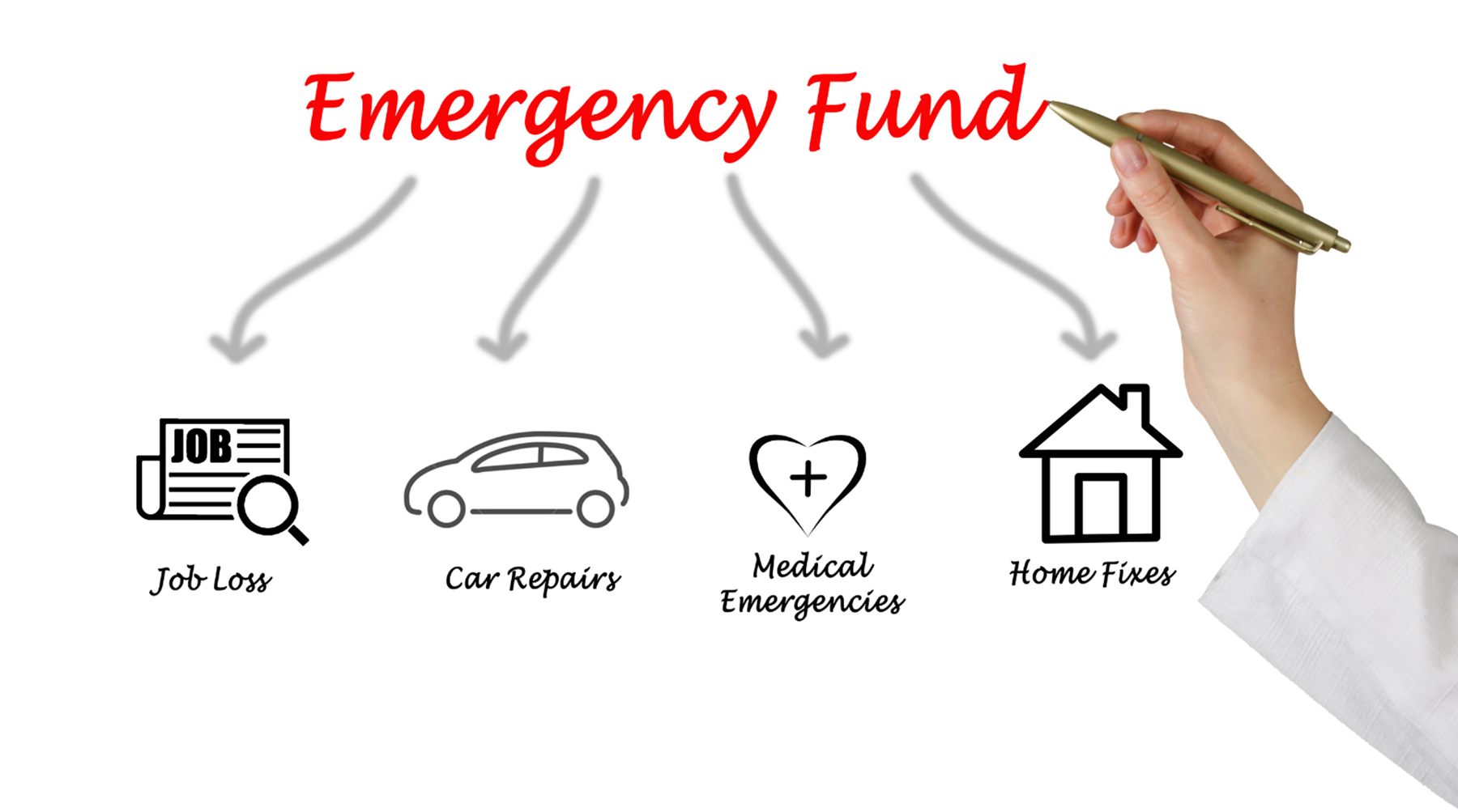
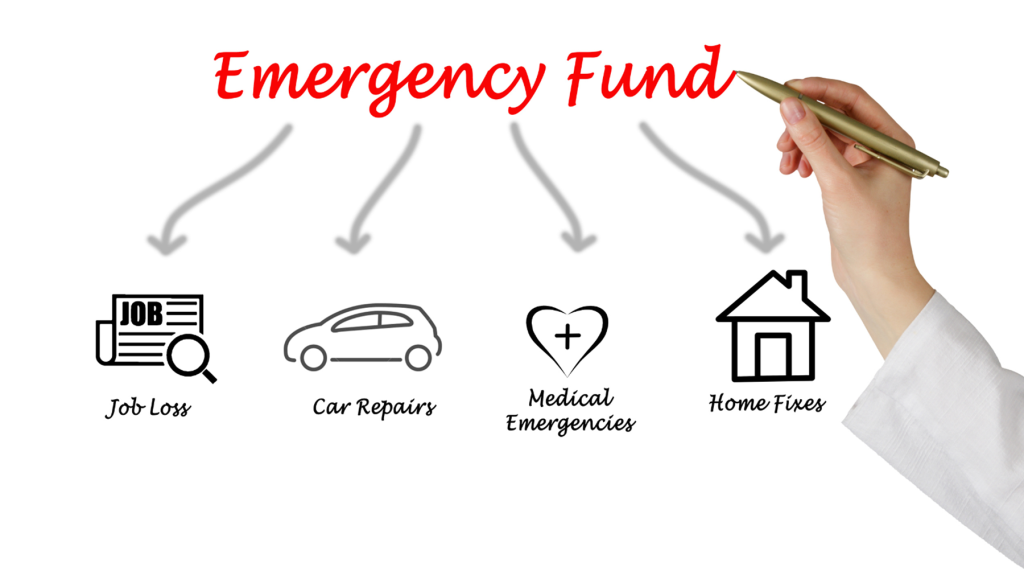
An emergency fund is one of the most important financial cushions you can build. It shields you from unexpected shocks — a medical bill, job loss, or urgent home repair — without pushing you into debt. But while most people know they should have one, many don’t know how to set it up correctly, or worse, unknowingly sabotage it.
Here’s how to build your emergency fund step by step — and avoid the common mistakes that weaken it.
Step 1: Set a clear savings goal
How much do you actually need? Start by calculating your essential monthly expenses — rent, food, transport, and utilities. Multiply by the number of months you want covered.
- 3 months of expenses is the minimum safety net.
- 6 months gives you breathing room during big life disruptions.
- 12 months is ideal if your income is irregular or your job security is uncertain.
This number becomes your emergency fund target.
Step 2: Decide where to keep it
Your emergency fund should be accessible but separate from your everyday spending.
- Open a separate savings or money market account.
- Consider high-yield savings accounts to earn a little interest.
- Avoid investments you can’t easily liquidate — your emergency fund isn’t meant to chase high returns.
When it’s “out of sight, out of mind,” you’re less likely to dip into it for non-emergencies.
Step 3: Be consistent
Discipline beats motivation. Automate your savings by setting a recurring transfer straight from your paycheck or main account. This turns saving into a habit instead of a decision you need to remake every month.
Step 4: Start small and grow
Don’t wait to save big. Begin with what you can — even a modest figure — and increase it gradually as your income grows or expenses shrink.
Every deposit matters. Slow progress is still progress.
Step 5: Trim the fat
Redirect unnecessary spending into your safety net. Cancel unused subscriptions, reduce impulse purchases, and scale back on lifestyle expenses. These small sacrifices today can buy you huge peace of mind tomorrow.
7 Common Emergency Fund Mistakes to Avoid
Even if you’re already saving, watch out for these traps that can weaken your financial safety net:
1. Overfunding your emergency fund
Keeping too much in cash may feel safe, but it slows your long-term wealth growth. Once you’ve hit your target, redirect extra money into investments where it can work harder.
2. Mixing funds
If your emergency savings share an account with everyday spending, you’ll be tempted to use it for “almost emergencies.” Keep it completely separate.
3. Failing to define emergencies
Not every inconvenience counts. A real emergency is unexpected, urgent, and necessary — like medical bills or major repairs — not just a last-minute sale or trip.
4. Using inaccessible accounts
Don’t lock your fund in accounts that are difficult to withdraw from or carry penalties. You should be able to access it within hours, not weeks.
5. Taking unnecessary risks
Chasing high returns by investing your emergency fund is a gamble you can’t afford to lose. Safety and liquidity always come first.
6. Neglecting to rebuild after use
If you tap into your emergency fund, replenishing it should be a top priority — just like paying a bill.
7. Forgetting to update it
Life changes — a new baby, a new job, or increased expenses — mean your emergency fund target should also change.
Bottom line
Building an emergency fund isn’t just about saving money. It’s about saving it the right way — systematically, with discipline, and in the right place.
Take it step by step:
- Set a clear target.
- Keep it separate and accessible.
- Automate your savings.
- Avoid common pitfalls.
With a strong emergency fund, you’re not just protecting your finances — you’re buying peace of mind. And that’s priceless.
Discover more from Happy Pockets
Subscribe to get the latest posts sent to your email.