
Harnessing the Power of Budgeting

Money needs to be planned. Budgeting. Yes, budgeting. A simple word but practically emotional. Have you ever tried it? First, budgeting is very emotional to many people I have read about and interacted with. They say it fully restricts and polices how you spend your hard-earned money. It does not tolerate any spending without tracking it. But I assure you it is one of the nicest processes you should try in your personal finance management journey.
Budgeting involves making thoughtful financial decisions, which can impact every aspect of our lives. Understanding and implementing a budget can lead to a sense of control, stability, and financial well-being.
Consider this scenario: Nafula has completed her first year at her job since graduating. This thrilling experience marks the beginning of a new chapter, allowing her to finally start living the life she had been aspiring to after dedicating herself to her education.
Nafula quickly learned the hard way that you can’t have your cake and eat it too. After paying her monthly bills, buying elegant dresses and shoes from her favorite boutique in town, and treating friends to weekend outings, she found herself running out of money before the end of every month. This left her with little to support herself, let alone help her parents.
Like Nafula, many of us find that spending without a plan makes it difficult to stay accountable. It’s not always about how much you earn; rather, it’s about how effectively you manage your money.
Can I offer some advice to Nafula? Nafula, it’s high time you started tracking every expenditure you make. This is the only way to truly understand how much you spend in a month. You don’t have to start with a whole month right away; begin by tracking your expenses for just a week. Or, to make it even simpler, try it for a day first. You might be surprised by the numbers you will see.
So, what is a budget? It is a spending plan that details what you should do with every amount you get. This sounds restrictive, but it is a sweet experience.
Let me give you a few steps on how to do it:
1. Write everything down
The first step to creating a budget is to write down all your expenses—everything you intend to do with your finances.
How much is your rent? What about the food you consume in a day, a week, and a month? What about your clothes if you buy them monthly? Airtime for the whole month? What do you send home to your parents, siblings, or guardians? What about the amount you put aside for your children, if you have any? Your saving? Do not forget tithe. Make your list as detailed as possible to avoid leaving anything out because they seem insignificant or negligible.
To make this step easier, start by noting down every expenditure for a month to understand where your money goes. Review that list at the end of the month and use it to make informed decisions about your final expenses.
2. Allocate your income appropriately.
Now you have to ensure every item is attached with its approximate cost. I say approximate cost because prices change constantly, except for fixed expenses like rent.
By summing up all your expenses, you will know if your income is enough to cover everything. From my experiences with budgeting, once you total your expenses, you will likely notice one of three outcomes: your expenses are less than your income, your expenses are more than your income, or your expenses exactly match your income (which is quite rare).
3. In case your expenses are more than your income…
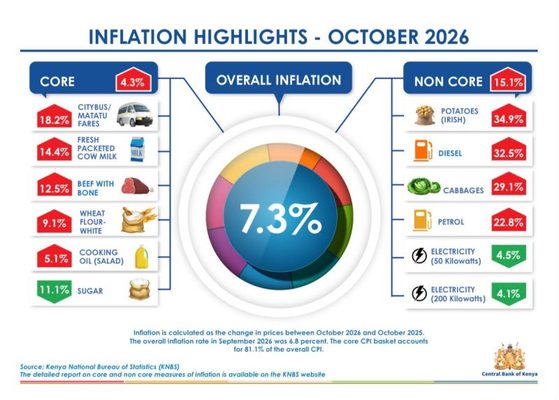
Do not be surprised when you notice your expenses surpass your income. Let me console you a bit. According to 2024 research, more than 85% of Kenyans admit to overspending every time they receive income because their income does not support all their expenses. So, you are not alone.
But let’s face the reality here: your expenses exceed your income, which should be a wake-up call. I’ve been in that situation multiple times, and I must admit, it can be incredibly frustrating.
So, you need to revisit your list and determine which items to cut back on or eliminate, except for the fixed expenses. Remember, we have both needs and wants. Go through your list and mark all expenses you can live without, or those that contribute to your luxury and can be compromised or even dropped to align with your income.
But remember, you can only cut your expenses to a certain extent. Beyond this limit, you may have to find a way to increase your income.
If your income is more than your expenses, you are lucky. But I would admonish you to live below your means and save the difference. I will explain this in one of my future articles.
4. Realign your budget.
After you have rechecked your list and made the necessary adjustments to match your income, you can realign it.
When your expenses are always more than your income every time you budget, it is a reality that: you are living above your means, you need to increase your income, or you should lower your living standards to avoid debts. What normally happens is that when your income is not meeting your expenses, you will want to borrow to fill the gap.
When the cycle of borrowing continues, you can find yourself deeply in debt. If not necessary, you can avoid borrowing. Try to manage what you earn and live within your means while working to increase your income for future desired expenditures.
5. Always track what you spend
Tracking every penny that you spend will always help you realign your budget and allocate your money accordingly. Avoid spending money when you are emotional. Always ask yourself: ‘Do I really need it now? Can it wait? Can I go without it? Must I buy it in a single purchase? Can I save for it and get it later on? In short, control impulsive purchases by any means necessary.
Final Thoughts
Waceke Nduati, in her book, ‘Making Cents,’ writes, “When you have a budget, you tell your money where to go rather than wonder where it went.” Don’t view budgeting as a restriction on your spending. Instead, see it as a tool to help you understand your expenses, avoid wastage, and take full control of your finances. And here’s a surprising fact: by having a budget, you’ll notice how the small, seemingly insignificant amounts you spend subconsciously add up to a significant sum.
I’m not here to restrict how you spend your money. I completely acknowledge and respect that you’ve worked incredibly hard to earn it, and you have every right to use it as you see fit. However, considering how much effort you put into earning your money, doesn’t it make sense to also care about where it goes?
So, do you want to try budgeting?
Please do.
Still need guidance on your budgeting journey? That’s where Happy Pockets comes in. At Happy Pockets, we walk you through the budgeting process, providing you with the simplest template to help you streamline your needs and wants to fit your income. Remember, it typically takes 2 to 3 months to stick to your budget comfortably. Initially, you might overestimate or underestimate some costs or even miss a few expenses. However, as you continue budgeting, you will become more accustomed to it, and the process will become seamless, smooth, and ultimately worthwhile. Happy Pockets will walk with you until you have mastered the art of budgeting.
Discover more from Happy Pockets
Subscribe to get the latest posts sent to your email.