

7 Fatal Salary Traps to Look Out for Every Time You Get Paid

At 44, Grace had built a respectable career.
She had worked for over 18 years, earned promotions, and enjoyed a salary that many people would consider comfortable.
She paid school fees for her children, supported her parents, paid her bills and occasionally treated herself.
From the outside, Grace appeared financially settled.
But one evening, while reviewing her finances, she asked herself a difficult question:
“How have I worked for almost two decades, earned all this money, and still have so little in savings and investments?”
Her salary had grown over the years. So had her lifestyle, responsibilities and spending.
Whenever she received a salary increase, she upgraded something. A bigger house, a better car, more subscriptions, more family commitments and a few additional comforts.
By the end of every month, there was hardly anything left.
Grace was not necessarily earning too little. She had fallen into some very common salary traps.
Here are seven to watch out for:
1. Lifestyle inflation
Every salary increase comes with a new lifestyle upgrade. For every salary increment, you increase your spending. Eventually, your expenses grow as fast as your income. Your salary increase should partly help you today and also help you plan for your future when no money will be coming in.
2. Treating your salary as money for spending, not building wealth
You pay bills, buy groceries, clear debts, and meet obligations. But how much of your salary goes towards building assets and securing your future?
3. Living from payday to payday
Your salary arrives, and within days, most of it is already committed. You have no breathing room for unexpected expenses, let alone meaningful savings.
4. Becoming everyone’s financial emergency fund
Supporting family is important. But when every relative’s financial problem automatically becomes your responsibility, your own financial goals suffer. Learn to help without neglecting your future.
5. Using debt to maintain appearances
You borrow to buy the latest phone, upgrade your car or maintain a lifestyle that your income cannot comfortably support. Your salary then spends the next several months servicing yesterday’s decisions.
6. Saving without investing
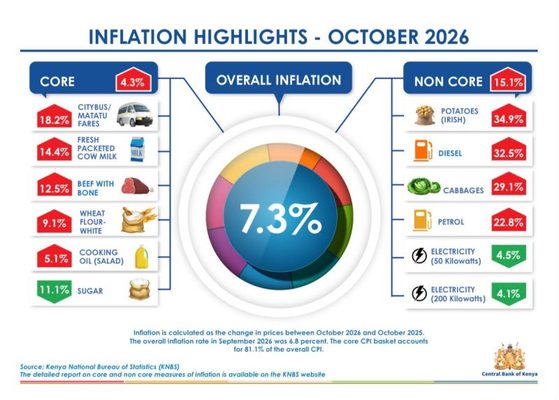
You may be putting money aside regularly, but if all your long-term savings remain in low-growth accounts, inflation can gradually reduce their purchasing power. Saving and investing serve different purposes. You need to understand both.
7. Postponing your financial future
You keep telling yourself you will start investing, build an emergency fund or plan for retirement when you earn more. But the years keep passing. The best time to give your money direction is not when you earn more. It is now.

Your salary should do more than help you survive until the next payday.
It should help you meet today’s responsibilities while building tomorrow’s security.
The next time your salary comes in, pause before spending it. Ask yourself:
- Have I provided for my essential needs?
- Am I building an emergency fund?
- Am I investing towards my long-term goals?
- Am I managing debt responsibly?
- Is my spending reflecting what truly matters to me?
You don’t necessarily need a bigger salary to start making better financial decisions. You need a better relationship with the salary you already have.
Because earning more money is good. But knowing how to make that money serve your life is even better.
For financial planning consultation, book here: https://www.happypockets.co.ke/financial_planning
Discover more from Happy Pockets
Subscribe to get the latest posts sent to your email.